
Training Design: a Muscle that needs to be Exercised
Training design is a skill like any other – the more you do it the better you become at it. But what if you don’t do it that often? Is there a way to accelerate experience? I think so!
As trainers we know a lot of stuff: models, theories and psychology. But generally, our learners DON’T know it, and in most cases, they don’t need to. Using ‘correct’ terminology in training courses can sometimes be more of a hindrance than a help.
Training design is part science and process, but it’s also part art and creativity. And there’s a lot we can learn from the song writing process from the Beatles.
Learning alongside others – whether it’s skiing or designing training highlights lots of little improvements that may be missed if you just work alone or even if you follow a structured training path.
The ADDIE model of training design has 2 D’s…. Top level design and detailed development. But most facilitators seem to have forgotten about the second D. Here’s why it matters….
Collaborative working in learning and development is the perfect way to hone skills in the flow of work. Being part of a learning community has many advantages.
As training designers, it’s tempting to provide all learning for all learners all the time. However, encouraging self-discovery is a very effective way of improving learning. Using the Ikea effect helps people to take ownership of training and as such, its more likely to be applied.
So many people think that good content makes a good training session. But you can ruin good content if you make these common mistakes when designing or delivering a training session.
Most learning and development professionals don’t enjoy training design, which is a shame, as without good design, delivery would suffer. This article shares 5 reasons why this might be, and how you can learn to love it a little more.
Using subject matter experts can be a great way to develop knowledge and skills in others. But it can also spell disaster. Knowledge is only a small part of what’s needed to train and inspire others. Here’s how we can support them and harness their genius for good.
So many trainers and facilitators feel that only THEY can deliver a course. Whilst it’s natural to feel attached to something you created, being able to pass it on to others is essential to minimise risk and encourage agility and growth. And it’s all in the training is designed.
One of the biggest reasons that people don’t enjoy training design as much as they should, is that they don’t know when its finished. This blog aims to provide some insight and a short checklist to help you to gauge whether you’ve finished your design or not.
As you know, I’m a great believer in doing proper training design before running an event. There are many reasons for this – even when designing for yourself – which I’ve mentioned before (Here’s a quick recap). But even the very best design doesn’t guarantee things will run perfectly, OR that you’ll run an event…
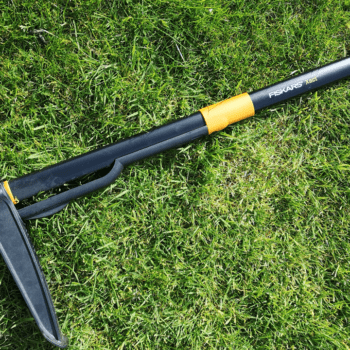
I’ve spoken before about by Pump-Action Dandelion Destroyer. (Proper name the Fiskars Xact Weed Puller). It brings me so much joy – and that’s because it is such a joy to use! Any why is it such a joy? Because it’s perfectly designed for the job it’s meant to do. It’s designed to pull out…
The L&D community has a very specific vocabulary, as all professions do. But (like all professions) we need to speak the language of our customers, NOT expect them to be fluent in ours if we want to influence and inspire them.
Neither do they need to know what happens behind the scenes, so why do so many L&D people expect learners to understand?