Why shared experience adds more value than the curriculum
My husband and I tend to travel independently in Europe. We book our own flights, find our own way around, and generally prefer the freedom of working things out as we go. But, having never ventured to South America before, and unsure of how we would manage, we booked a small group tour when we decided to visit Peru. It wasn’t without trepidation, but it turned out to be a very good call.
Knowledge is only part of it
The arrangements were seamless which meant we didn’t waste time and energy trying to organise things. All we had to do was follow instruction! Our local guides were knowledgeable, warm, and full of the kind of insight you simply can’t get from a guidebook. Not just the history and geography, but also making suggestions about local restaurants, shopping tips and suggesting which foods to try (and which to avoid). My husband would never have tried lucuma ice cream off his own bat — he’d have taken one look at an orange fruit and assumed it tasted like mango, which he can’t stand. He was wrong, and he was glad to be.
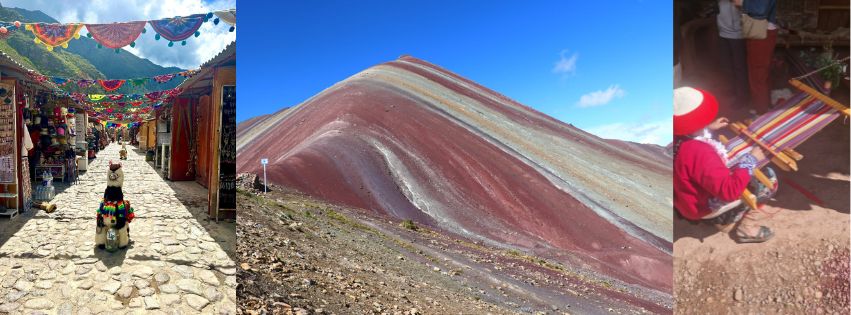
The itinerary itself was extraordinary. We hiked up Rainbow Mountain, setting off at 4am in dark and (for the only time on the trip) suffering with altitude sickness, but it was entirely worth it when the sun hit those colours. We visited a weaving co-operative in a village in the Sacred Valley and came away amazed by the Andean textile traditions and what they actually mean to the people who maintain them. We cruised along the Amazon and spotted capybara, caimans and parrots from the riverbank. And we were lucky enough to visit Machu Picchu in brilliant sunshine, which, after all the planning and anticipation, felt like the trip delivering on its promise.
The food deserves a mention too. We didn’t have a single bad meal. Peru’s culinary reputation is well-earned. The variety in potatoes, and the Pisco Sour and Chica Marada became firm favourites. The cuisine alone would be a reason to go back.
But that’s not what made it a truly great experience
All of the above — the guides, the itinerary, the food, the landscapes — made for a very good holiday. But what turned it into something we’ll talk about for years came from an entirely different source: the other people on the tour.
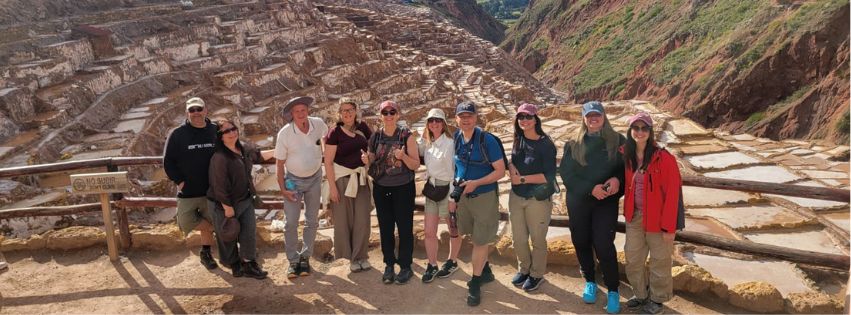
We were a group of (mostly 10) people, drawn together from South Africa, New Zealand, Australia, America, Canada and the UK. Different backgrounds, different ages, different careers, different reasons for being there. And yet within a day or two, the group had formed into something that felt genuinely like a friendship group. We chose to eat together most evenings, even when it wasn’t part of the plan. Someone set up a WhatsApp group within 24 hours of meeting. We looked out for each other on the excursions, shared photos, swapped recommendations, and talked about many things that had nothing to do with Peru.
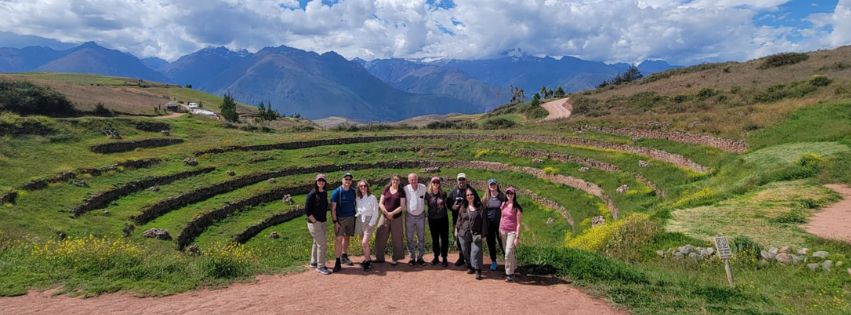
Because of those conversations, we came home knowing a fair amount about life in modern South Africa, the challenges of law enforcement in rural New Zealand, and the way that the legal system in America works. None of that was on the itinerary. It was bonus content, delivered informally, in restaurants and on minibus journeys and while waiting for a boat. And it was, without question, some of the richest learning of the trip, and made the whole thing more enjoyable and more memorable.
That’s what happens when like-minded people share an adventure together. They don’t just have the same trip: they extend and enrich it for each other. The whole experience becomes much more than the itinerary alone would suggest.
Which brings me, inevitably, to L&D
It’s why I’m such a huge fan of learning communities, and why I run one. The VIP community of the Training Designers’ Club is deliberately small — limited to 100 members — precisely so it can be the kind of space where real conversations happen. Not surface-level, not transactional, but the sort of thing you’d say to a trusted colleague over coffee.
And what I notice, again and again, is that the most valuable things members gain from it aren’t the resources, the signposts, or the structured content. Those things have value, of course, but the stuff that people mention when they talk about what the community actually does for them is almost always the informal exchange. The fellow member who mentioned an approach they’d tried that week. The thread that answered a question someone hadn’t quite known how to ask. The offhand comment that reframed a problem entirely.
That’s not accidental. It’s what happens when you put a group of thoughtful, experienced practitioners in a space where they feel safe enough to be honest. The knowledge that circulates isn’t just the knowledge that was planned, it’s everything else that people bring with them.
Peru was a good trip by any measure. It was a great one because of the people we shared it with. I suspect most of us have had experiences like that, whether that’s in travel, in training, in work. The formal structure sets the scene, but the real depth comes from the relationships between people once they trust each other enough to share it.
That’s what a good community should feel like. And it’s what I’m proud to have built.
>>>Learn more about it HERE<<<
You must be logged in to post a comment.